
Understanding the psychology behind gambling habits and decision-making
The Allure of Gambling
The psychological appeal of gambling often lies in the thrill and excitement it provides. Many people are drawn to the possibility of winning large sums of money, which can create a sense of euphoria. This emotional high can lead to a rush of adrenaline, making the experience addictive for some. The anticipation of winning can overshadow the risks involved, compelling individuals to engage in gambling behaviors despite understanding the odds. Moreover, platforms like Pinco Game offer numerous games that amplify this excitement.
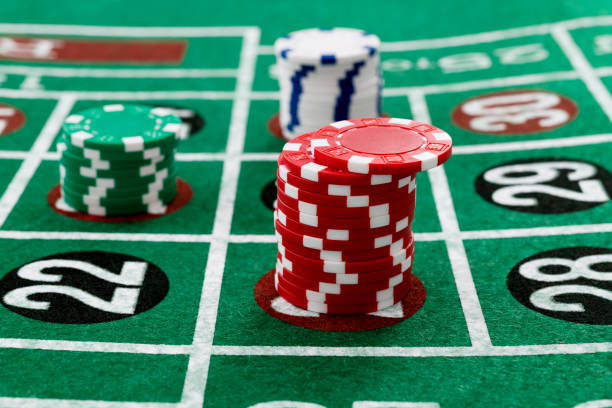
Furthermore, the sensory stimuli present in casinos and online gaming platforms enhance this allure. Bright lights, engaging sounds, and a vibrant atmosphere can create a euphoric environment, making it easy for players to lose track of time and money. This combination of excitement and sensory overload can significantly influence decision-making, often leading players to gamble more than they originally intended.
Myths and Misconceptions about Gambling
Many myths surround the world of gambling, influencing how individuals perceive their chances of success. One common misconception is that players can develop strategies to beat games of chance. While skill can improve outcomes in games like poker, most gambling activities are based on luck, and the odds are typically in favor of the house. This misunderstanding can lead players to chase losses, believing they are merely on the brink of a winning streak. The case of Pinco Casino exemplifies how such misconceptions can affect player decisions.
Additionally, the belief that previous outcomes can influence future results, known as the gambler’s fallacy, often misguides decision-making. For instance, if a slot machine hasn’t paid out in a while, some players may believe it is ‘due’ for a win. Such thinking can prompt more gambling, ultimately resulting in greater losses and contributing to unhealthy gambling habits.
The Role of Cognitive Biases in Gambling
Cognitive biases play a significant role in how individuals approach gambling. Confirmation bias, for example, can lead players to remember their wins while forgetting their losses, reinforcing the belief that they are skilled or lucky. This selective memory affects decision-making and can perpetuate gambling behavior. Players may also underestimate the risks involved due to an overconfidence bias, assuming they can control outcomes.
Another relevant cognitive bias is the illusion of control, which convinces individuals they can influence random events. This belief may encourage players to engage in specific rituals or strategies, such as betting on certain numbers or using particular machines, all while ignoring the inherent randomness of the games. These biases can significantly distort reality and lead to poor decision-making in gambling scenarios.
Emotional Factors Influencing Gambling Decisions
Emotions play a pivotal role in gambling behavior. Many individuals use gambling as a way to escape from stress, anxiety, or depression. This emotional reliance can make gambling a coping mechanism, often leading to increased frequency and intensity of gambling activities. As feelings of despair or elation fluctuate, they can significantly affect decision-making processes, pushing individuals to gamble more or pursue risky bets.
Moreover, social influences can exacerbate emotional gambling. Friends or family who gamble can create an environment where gambling seems normalized and even encouraged. This social proof can make individuals more susceptible to adopting gambling habits, as they may wish to fit in or experience the same excitement as their peers. Ultimately, these emotional and social factors intertwine, creating a complex web that influences gambling behavior.

Pinco Casino: A Platform for Responsible Gaming
Pinco Casino is dedicated to providing a safe and enjoyable gaming experience for its players. With a wide variety of games and generous bonuses, it creates an appealing environment for both casual and serious gamblers. However, it emphasizes the importance of responsible gambling by promoting awareness of the psychological factors that can lead to unhealthy habits.
Through robust security measures and 24/7 customer support, Pinco Casino Canada ensures that players can enjoy their gaming journey while staying informed about their habits. By understanding the psychology behind gambling, players can make more informed decisions and engage in healthier gaming practices, fostering a more positive experience overall.
