
Whoa! I started worrying about staking, firmware updates, and portfolio drift. Hardware wallets are safe, sure, but secures isn’t a one-and-done. Initially I thought keeping a device tucked in a drawer was good enough, but then I watched someone lose a year of passive staking rewards because firmware incompatibilities and a forgotten passphrase collided in a way that felt preventable. Small changes in routine reduce risk more than fancy tech.
Seriously? Staking on hardware wallets has matured, and honest-to-God it’s grown easier. You can delegate from a Ledger or other device, hold keys offline, and still earn yield without trusting custodians. On one hand staking reduces counterparty risk and compounds returns, though actually it introduces operational risk—nodes, firmware compatibility, and mismanaged recovery phrases can wipe out gains in a heartbeat if you don’t build a disciplined workflow. So the question becomes practical: how do you balance convenience, security, and ongoing maintenance?
Hmm… My instinct said that firmware updates are minor, but then I saw how a hurried update without a verified recovery check bricked a device for someone I know. Firmware protects against attacks, but it also changes state. A good process will include backup verification, reading release notes, and checking signatures. Initially I thought automatic updates would be the safest default, but then realized that for hardware wallets you want controlled, auditable updates because an unexpected change can break staking compatibility or display-handling for certain coins, which matters if you rely on third-party staking services or wallets.
Wow! Portfolio management for crypto with hardware custody is weirdly underrated. People focus on coin selection, but seldom on how keys, firmware, and staking interplay across accounts. On one hand you want diversification to hedge protocol-specific risks, though actually having many small staking positions scattered across multiple devices increases complexity and attack surface, so there’s a trade-off that needs active management. So I recommend mapping assets to risk profiles and to devices, not just to exchanges.
Here’s the thing. I set up a simple spreadsheet years ago to track device firmware versions, last seed check, and which validator I delegated to. It saved me when a critical update required reinstallation and I had to pick a compatible app version. You can do this with a minimal habit loop: check release notes monthly, verify signatures, and run a quick recovery dry-run every quarter. On the other hand, overengineering this process becomes exhausting—too many notes and too many devices leads to error, so the sweet spot is automation where possible (securely), clear documentation, and periodic manual checks that are short and repeatable.
Okay. Initially I thought staking rewards were the only metric that mattered, but then I learned to include uptime, slashing risk, and validator decentralization in the equation. Actually, wait—let me rephrase that: rewards matter, but not at the cost of fragile operational practices. A disciplined approach tracks validator health and has contingency plans if a validator is offline or penalized. This is where firmware updates connect to staking — if a device’s app loses compatibility, you might temporarily be unable to move funds or re-delegate, which can cascade into missed rewards or worse, if you panic and use unsafe recovery methods.
Whoa! I’m biased, but I favor keeping high-stake positions on a single well-maintained device and smaller, experimental stakes on separate hardware. That reduces cognitive load and limits blast radius if somethin’ goes sideways. If you have multiple coins with different app requirements, document which firmware and app versions work together. On one hand it’s tedious, though it becomes a lifesaver when you upgrade firmware and want to ensure your staking setup comes back online without surprises, especially with chains that require on-device confirmations for every transaction.
Seriously? Wallet manufacturers usually provide release notes and signature checks, but many users skip them. Check the vendor’s signature, verify hashes, and confirm the source—this is basic hygiene. If the process seems opaque, reach out to community channels or read third-party audits because blind trust in an update is a risk vector, and threat actors mimic update prompts to phish users. A checklist helps: backup, verify, update, confirm staking functionality, and record versions.
Hmm… This part bugs me about the industry — good security practices are simple, but people trade safety for speed. When staking returns look shiny, it’s tempting to skip a seed verification or ignore an odd update prompt. On one hand high yields incentivize shortcuts, though actually those shortcuts often lead to permanent loss, because recovering from a compromised seed or a bricked device is rarely straightforward and sometimes impossible. So form habits: pair devices with clear roles, rotate checks, and use multisig for larger exposures if you can.
Right? I’ll be honest—multisig is not sexy, and it’s clunky, but it’s one of the clearest ways to separate custody and reduce single points of failure. It does increase operational complexity, though it pays off for long-term holdings. If you’re managing a portfolio with staking across chains, consider a hybrid: hardware keys for signing and a watch-only dashboard for monitoring. That way you can track performance without exposing private keys, and you can coordinate firmware updates and validator changes in a controlled cadence that minimizes downtime and human error.
Phew. Operational habits are the secret sauce — schedule, document, practice recovery. Do periodic dry runs where you restore a seed to a spare device and confirm staking credentials. On one hand those drills feel like insurance paperwork, though in practice when a device fails they shorten panic windows and let you make deliberate choices instead of desperate ones. And remember that some chains require specific app versions; keep notes tied to each asset.
Check this out— a simple flow: verify backups, note firmware version, verify update signatures, update, and then test staking flows. You can automate the notes with an encrypted spreadsheet or password manager fields, but keep human checks. Initially automation seems like the panacea, but actually it compounds risk if your automation is built on a single compromised machine or if it stores seeds in ways that are convenient but insecure. So mix automation for reminders and manual verification for critical steps.
Practical checklist and a tool I use
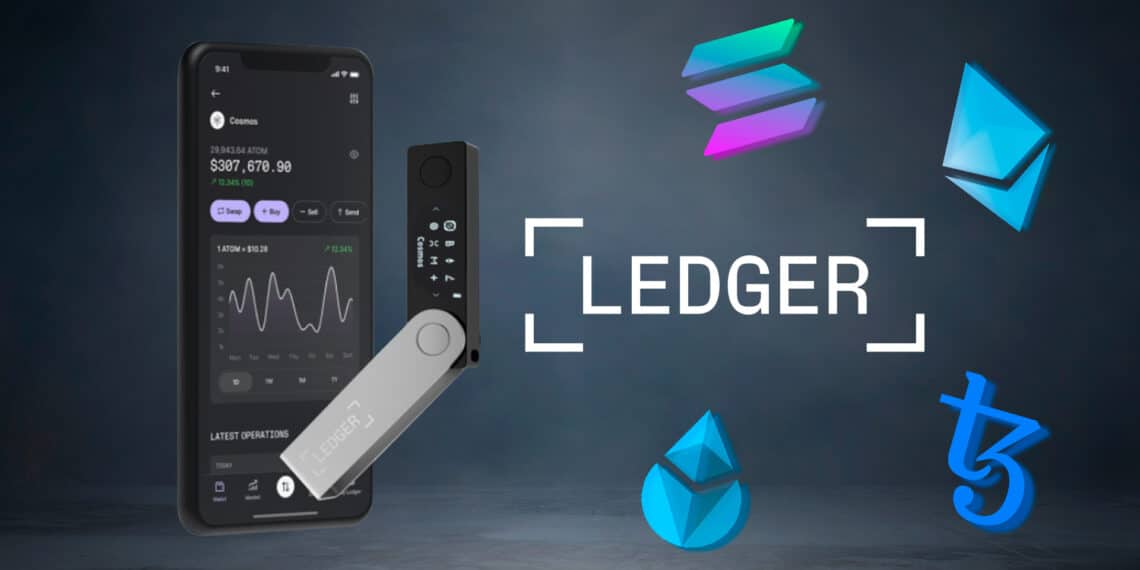
If you’re using a Ledger device, pairing it with a desktop companion app like ledger live can simplify management while keeping private keys offline; use the app to monitor balances and transactions but keep signing on-device. One medium-size habit: record the device model, current firmware, app versions, last seed-restore test, and active validators in one encrypted note. Another long habit: every 3 months do a full restore to a spare device, cross-check validator settings, and confirm you can re-delegate without surprises, because that practice finds weird edge cases early. Oh, and by the way… keep an offline copy of your checklist in case your primary machine is compromised.
Staking specifics vary by chain, but the operational logic is consistent: know your validator’s slashing policy, track uptime, and prefer validators that publish clear runbooks. For firmware, only download from official sources, verify signatures, and read the changelog—some updates affect how apps interact with certain smart contracts or networks. If you run a node or use a third-party staking service, align maintenance windows between services and your device checks so you’re not caught mid-update during a critical epoch change.
People ask whether to do updates automatically. My short answer: no for critical devices, yes for low-value test units. Automate reminders, not actions. Build small, repeatable procedures that you can execute without adrenaline — those are the ones you will actually follow when time is short.
FAQ
Q: How often should I check firmware and backups?
A: Monthly for release notes and signatures, quarterly for a full recovery dry-run. It’s very very important to log versions so you can roll back expectations if an update interacts poorly with staking apps.
Q: Can I stake directly from a hardware wallet without exposing keys?
A: Yes — most modern hardware wallets let you delegate or stake while keeping private keys offline, but confirm the process for each chain and test on small amounts first. If in doubt, use a watch-only setup to monitor before committing larger stakes.
Q: What if a firmware update breaks staking compatibility?
A: Don’t panic. First, consult release notes and community channels. If you documented versions and backups, restore to a verified state and reach out to vendor support; worst case you can move funds using safe recovery methods, but that risk is why you practice restores ahead of time.
Okay, so check your habits and simplify where you can. On one hand this reads like a lot, though actually it’s mostly small rituals repeated consistently. I’m not 100% sure I’ve covered every edge, and that’ll bug me, but these practices reduced my headaches and saved rewards over time. Take one change this week: verify your seed and note firmware version. Do that, and you’ll probably be glad you did…
